
Buyer resources for sourcing from India

Short, practical guides drawn from day-to-day sourcing work in India. Written to help you buy better — whether or not you engage us.

How to brief a sourcing agent

How to brief a sourcing agent (so you get useful quotes back)

A vague brief gets vague quotes. Before you approach any sourcing agent in India, pull together the following — even roughly:

Your brief should include

  • Product specifics: what it is, materials, dimensions, finishes, and colours. Photos or links to similar products help enormously.
  • Quantities: your first order size and likely repeat volumes. Factories quote very differently for 100 pieces versus 5,000.
  • Target price or budget range: not to anchor low, but to let the agent rule out unsuitable suppliers immediately.
  • Timeline: when you need samples, and when you need the goods shipped.
  • Quality bar: is this premium retail, mid-market, or price-led? Say so plainly.

The better the brief, the faster a good agent can tell you what is realistic — and the sooner you find out if it is not.
Sample approval checklist

Sample approval checklist

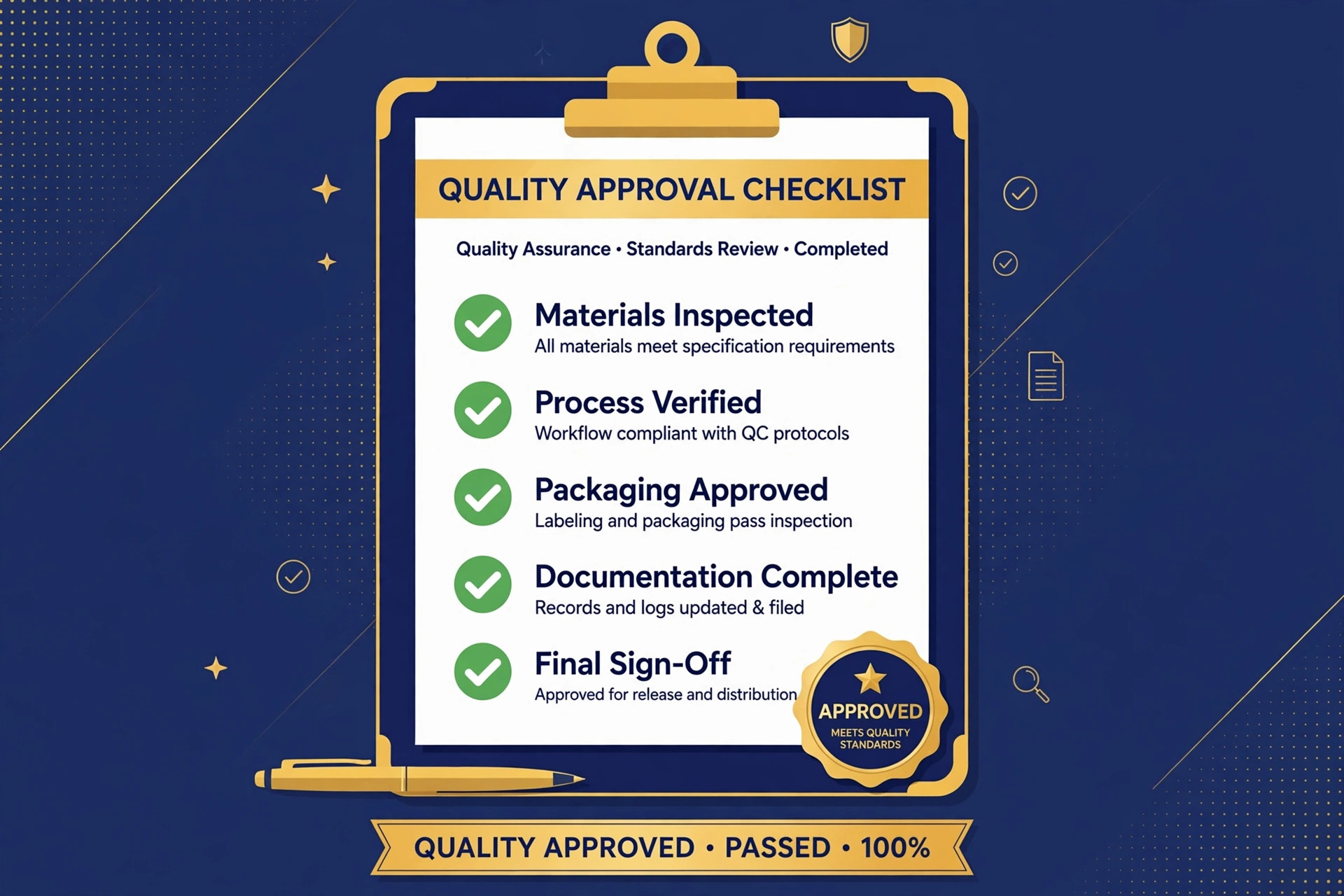
Approve samples against a written list, not a general impression. Before production starts, confirm each of these in writing:

  1. Dimensions and weight match the specification (measure, don’t eyeball).
  2. Materials are as agreed — wood species, fabric composition, metal type.
  3. Colour and finish match the approved reference under normal light.
  4. Function works: drawers slide, zips run, joints hold, electronics (if any) operate.
  5. Labelling, branding, and care instructions are correct.
  6. Packaging — including export packing — is agreed and costed.

Keep one sealed reference sample. Every production check afterwards is measured against it, not against memory.

Understanding minimum order quantities

Understanding MOQs in India

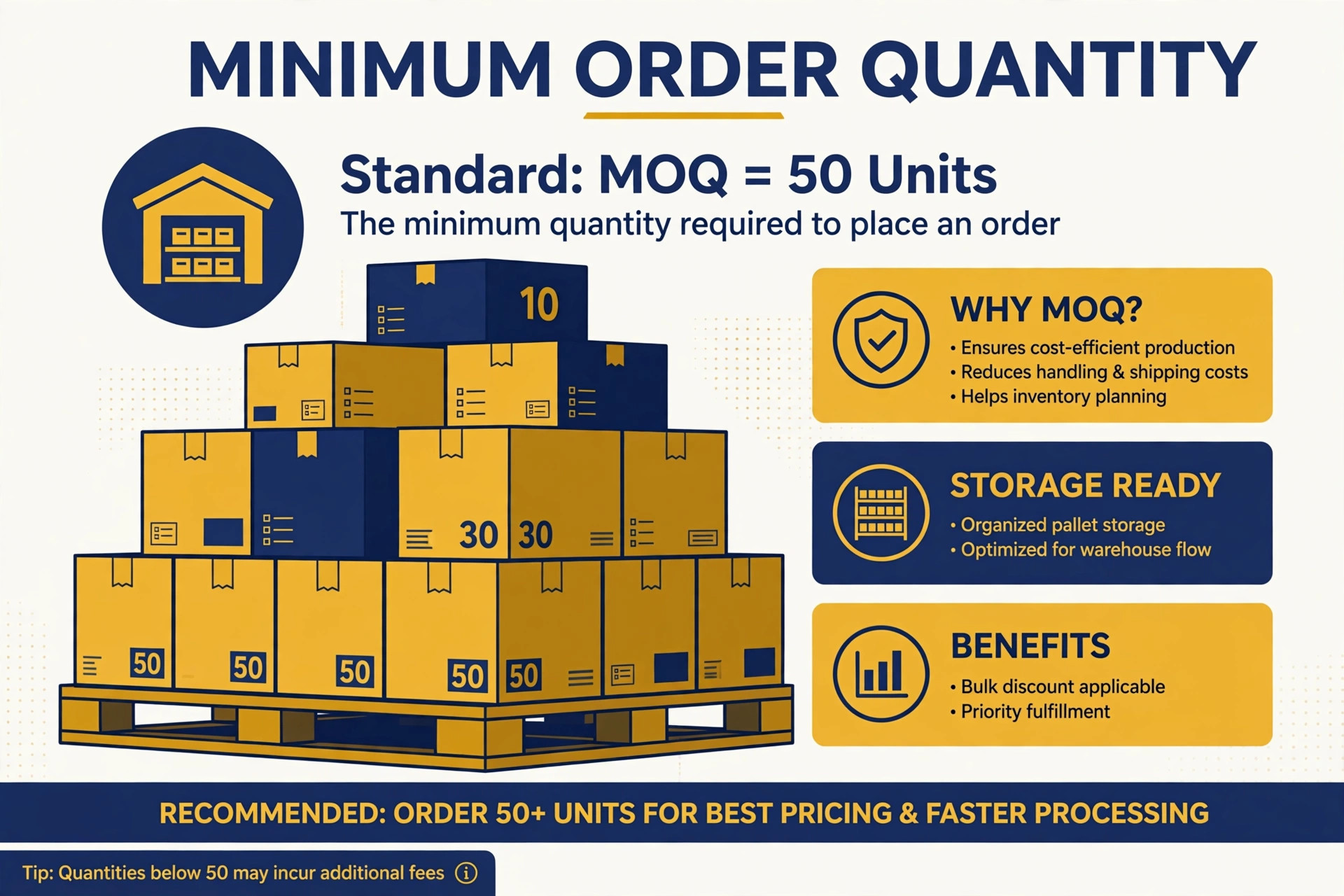
Minimum order quantities in India vary widely by product and process — there is no single rule. A few practical points:

  • Handmade goods (carpets, handicrafts, block prints) often have lower MOQs because production is labour-based, but unit prices reflect the handwork.
  • Products needing tooling or moulds (brassware castings, sports equipment) usually need higher volumes to spread setup costs.
  • Mixed containers can make smaller orders viable: several products from nearby workshops consolidated into one shipment.
  • MOQs are frequently negotiable for a first order if the supplier sees genuine repeat potential — but expect a higher unit price on small runs.

When we quote, we tell you the realistic MOQ for your product and whether a mixed shipment could bring it down.

Preparing for a factory visit

Preparing for a factory visit in India

Visiting suppliers in person is valuable — if you prepare. A few suggestions from experience:

  • Go with a shortlist, not a wish list. Two or three serious workshops beat ten drive-bys.
  • Bring your specifications and reference samples. Conversations stay concrete when both sides can point at something.
  • Look past the showroom. Ask to see the actual production floor, material storage, and packing area — that is where your goods will be made.
  • Discuss problems, not just prices. Ask how they handle rework, delays, and quality failures. The answer tells you more than the quote does.
  • Allow travel time between hubs. Jodhpur to Jaipur is a day; Moradabad to Saharanpur is another. Don’t compress the schedule.

If you would like company on such a trip, we arrange accompanied supplier visits — see our regional coverage.

Have a question these don’t answer?

Send it over — if it comes up often, we will turn the answer into the next guide.

Ask Us